

EMPHASIS and IPPS9: Advancing plant phenotyping through collaboration
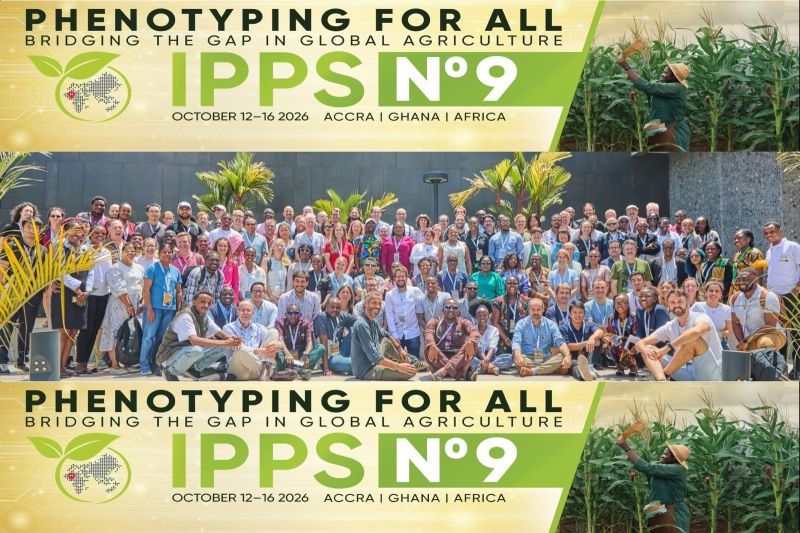
The 9th International Plant Phenotyping Symposium (IPPS9) took place in Accra, Ghana, from 12 to 16 October 2026, bringing together an international community of scientists, researchers, plant breeders, technology developers and industry partners.
Organised by the International Plant Phenotyping Network (IPPN) and the West Africa Centre for Crop Improvement (WACCI), the symposium was held under the theme “Phenotyping for All: Bridging the Gap in Global Agriculture.” Its first edition on the African continent provided a platform for exchanging knowledge and exploring how plant phenotyping can address diverse agricultural challenges.
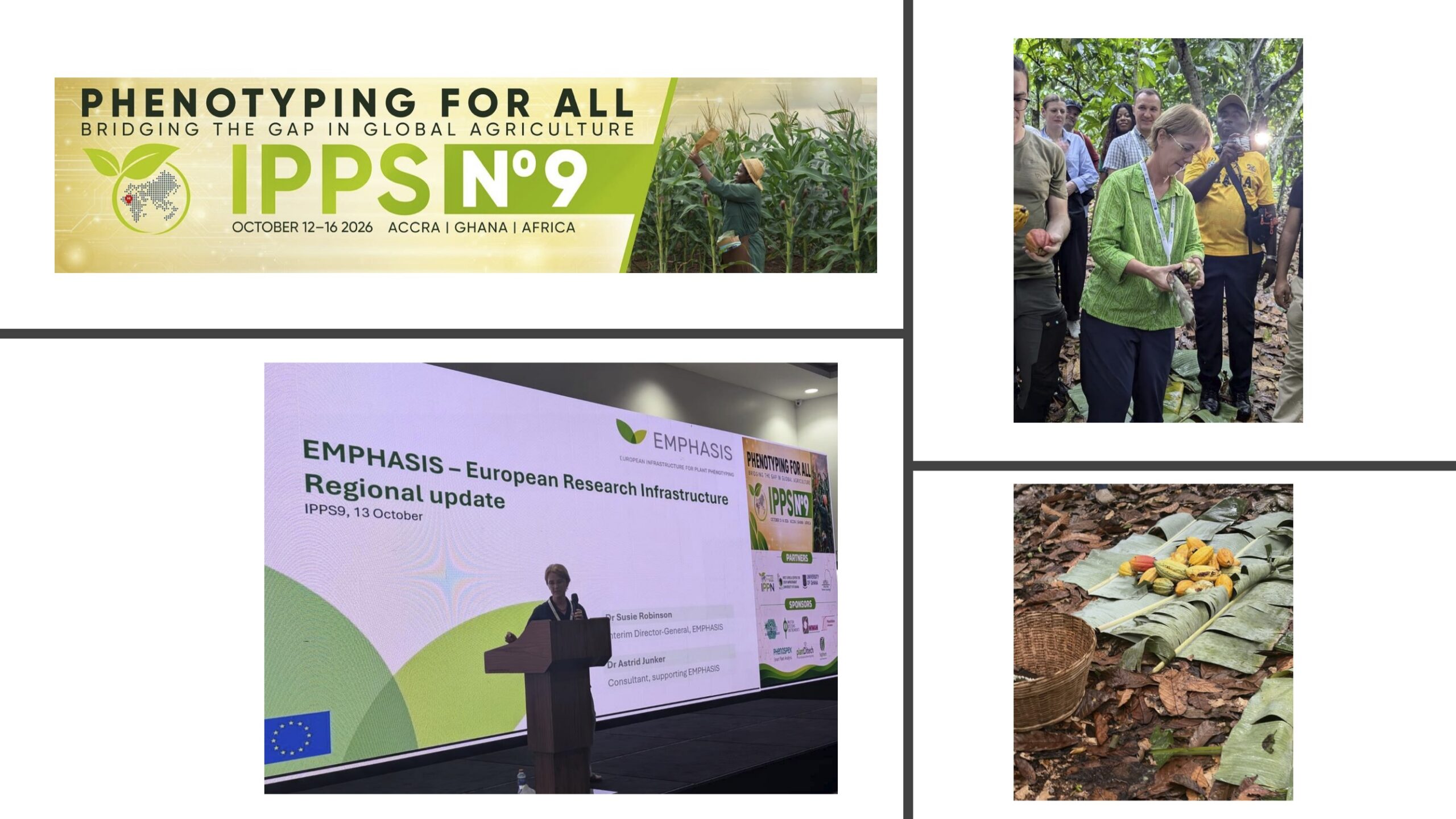
EMPHASIS was well represented at the conference, with delegates from member countries and from our Coordination Office in attendance. We hosted a daily series where an update was given from each global region on new developments, future plans, and how the region was playing its part in ‘bridging the gap’ in plant phenotyping, to make this an accessible approach for all.
Our EMPHASIS update included information about our upcoming legal establishment as a European Research Infrastructure Consortium, about our access programmes, and our forward strategy for new scientific and technological initiatives.
EMPHASIS also co-hosted two sessions of ‘flash presentations’ from talented early career professionals, giving a window into the exciting new work being undertaken by talented young scientists from Africa and other regions.
Learn more about IPPS9: 9th International Plant Phenotyping Symposium.


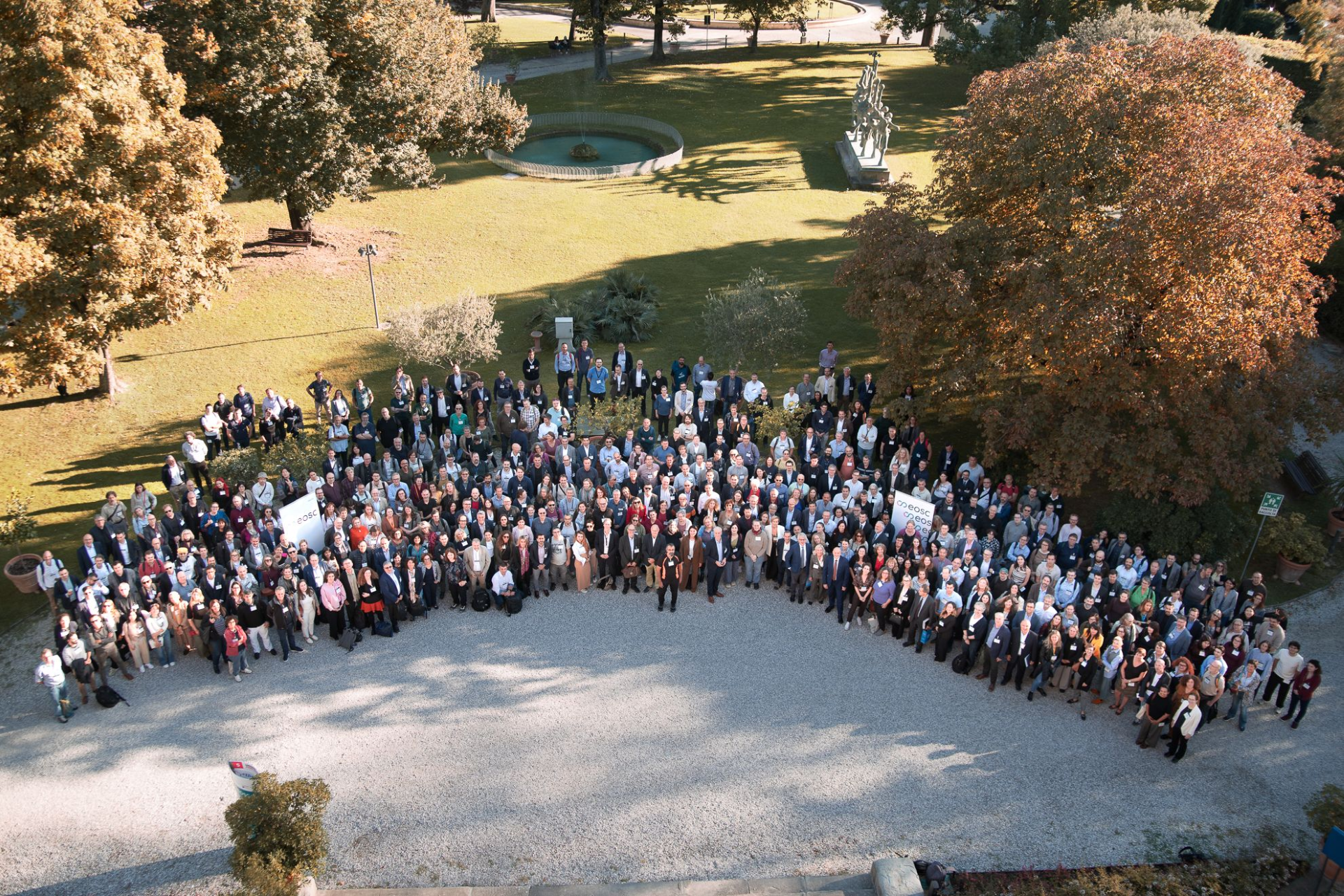
EMPHASIS at the EOSC Symposium 2026: Supporting a more connected European research ecosystem
A milestone for the EOSC Federation
Collaboration is key to open science
Looking ahead
PHENET: Innovative phenotyping and envirotyping tools, methods and technologies for agroecology
In PHENET, the European Research Infrastructures (RI) on plant phenotyping (EMPHASIS), ecosystems experimentation (AnaEE), long-term observation (eLTER) and data management and bioinformatics (ELIXIR) join their forces. The aim is to co-develop, with a diversity of innovative companies, new tools and methods – meant to contribute to new RI services – for the identification of future-proofed combinations of species, genotypes and management practices in front of the most likely climatic scenarios across Europe.
Annual Meeting 2026
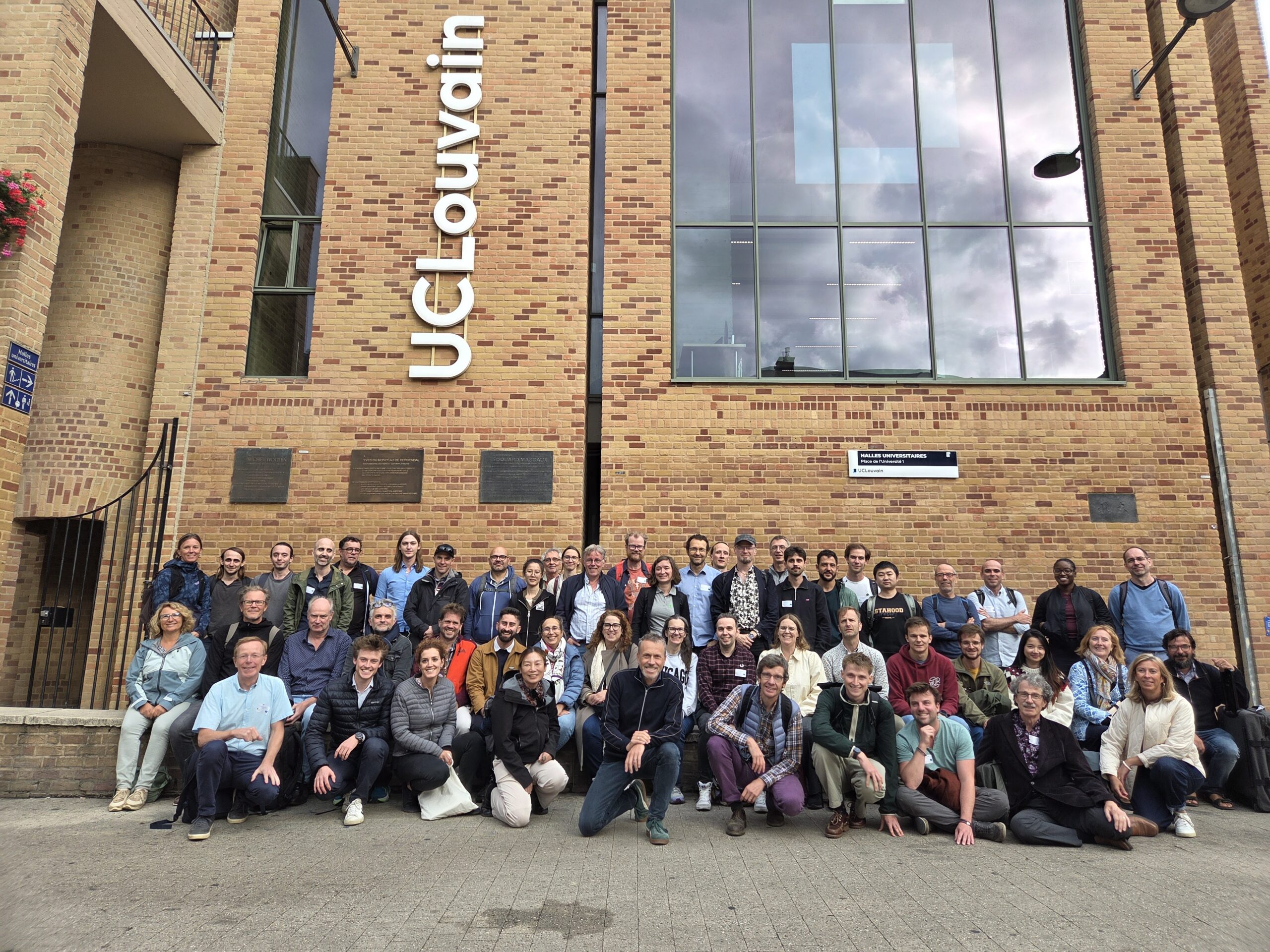
While moving towards the final period of the project (until end of 2027), PHENET partners met at the Université Catholique de Louvain in September 2026 to fully align on the last steps of the successful initiative. More than 60 experts in phenotyping and envirotyping met to discuss on future technological developments supporting more diverse, resilient agroecological cropping systems. We further demonstrated its technologies to end-users, ranging from research to farming, exchanging on their expectations and needs as essential step to move towards robust and promptly applicable tools in real-world settings. Those exchanges were complemented by in-depth discussions with the key leading European Research Infrastructures (EMPHASIS, ELIXIR, eLTER, AnaEE-ERIC) on how to translate the technological developments into sustainable long-term services to the benefit of our community well beyond the timeframe of PHENET.
Gain insights into PHENET Services
PHENET is shaping a remarkably diverse portfolio of potential services, ranging from field- and smartphone-based sensing, imaging and AI-assisted phenotyping to soil, root, biodiversity and Earth-observation/envirotyping solutions, together with benchmarking and expert support. The portfolio also extends into the digital layer, with open datasets and analysis tools, FAIR data-management systems, modelling and 3D simulation services, and training resources designed to turn innovative methods into accessible and reusable services for the phenotyping community.
Visit our website to find more details and get familiar with our services.
Take a look at our scientific developments
Experts part of PHENET have generated massive scientific output by now, including publications, presentations, theses, posters, reports and conference proceedings. Have a look at our publication website to learn about the scientific contributions to agroecology. Find further insights into PHENET including its deliverables or newsletters at its zenodo community.
Make use of our training offers
Stay updated on training activities via PHENET’s training website, offering training courses and access to training material from PHENET and from PHENET partners.
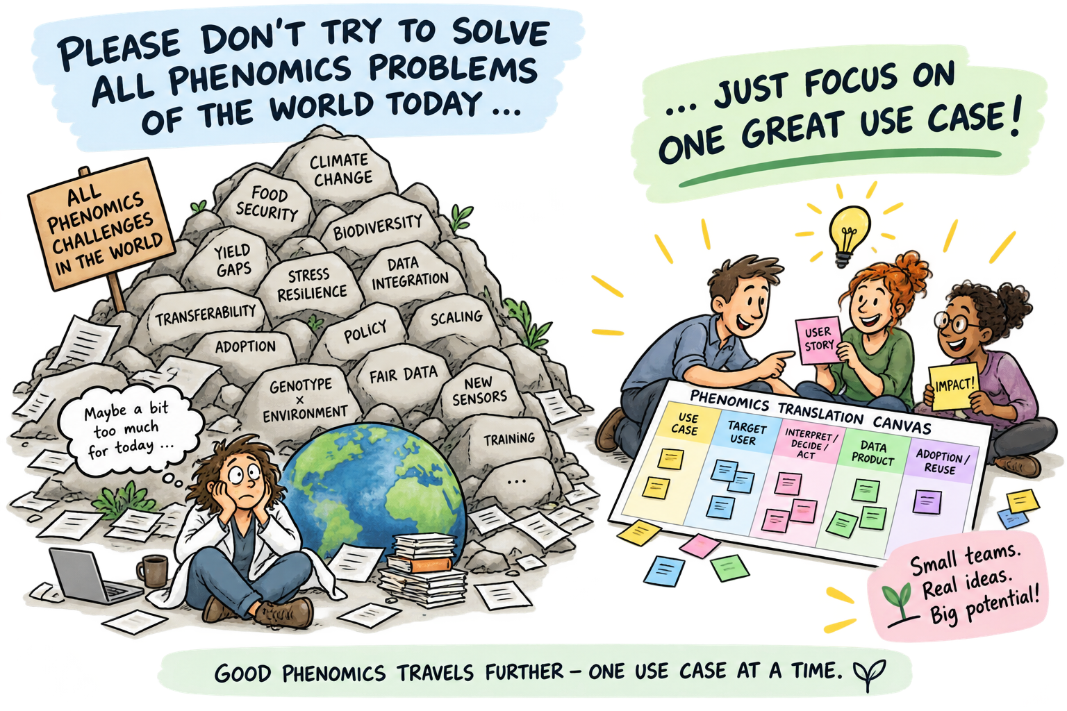
From Sensors to Decisions: EMPHASIS–ECPN Online Workshop Draws Global Participation
On 17 September 2026, EMPHASIS and the Early Career Professionals Network (ECPN) successfully delivered the online workshop “From Sensors to Decisions”, bringing together early-career researchers, plant phenotyping professionals, and experts from around the globe.
Hosted by Dr. Astrid Junker on behalf of EMPHASIS, the workshop explored how phenotyping outputs can be transformed into trusted, reusable, and impactful data products that support research, innovation, and decision-making. Participants examined how phenotyping data can create value throughout the research lifecycle, from hypothesis testing and validation to broader applications beyond the original scope of a project.
A highlight of the event was the hands-on use of the Phenomics Translation Canvas, which guided participants through the pathway from
Use Case → Target User → Decision Context → Data Product → Adoption
The interactive format encouraged discussion, knowledge exchange, and the sharing of diverse perspectives across disciplines and geographical regions.
The workshop attracted a strong international audience, reflecting the growing global interest in advancing plant phenotyping and strengthening collaboration within the community. The high level of engagement and participation contributed to a dynamic and highly successful event.
EMPHASIS and ECPN would like to thank all participants for their enthusiasm and valuable contributions, and extend special thanks to Dr. Astrid Junker for hosting and leading an inspiring and insightful session. We look forward to continuing to support professional development and community building through future joint activities.
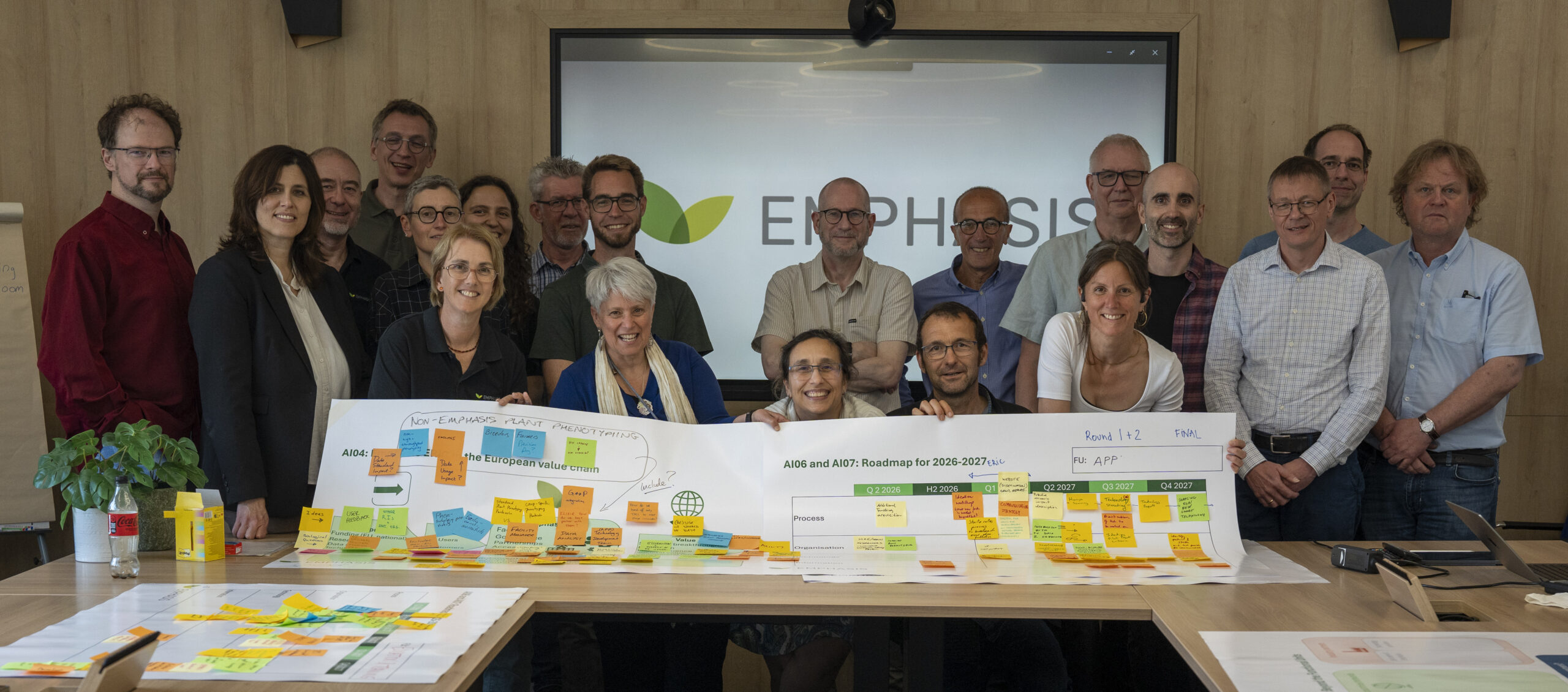
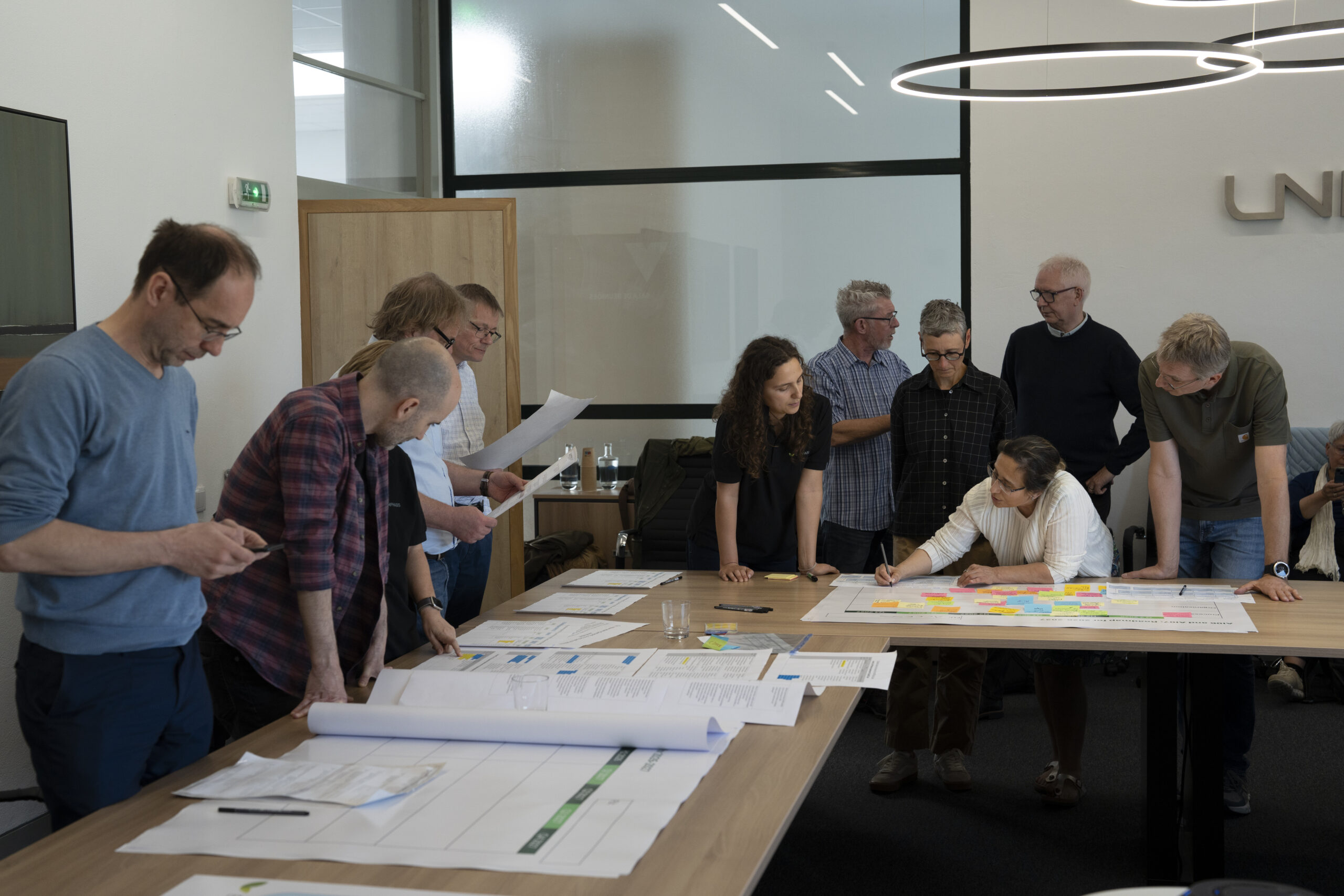
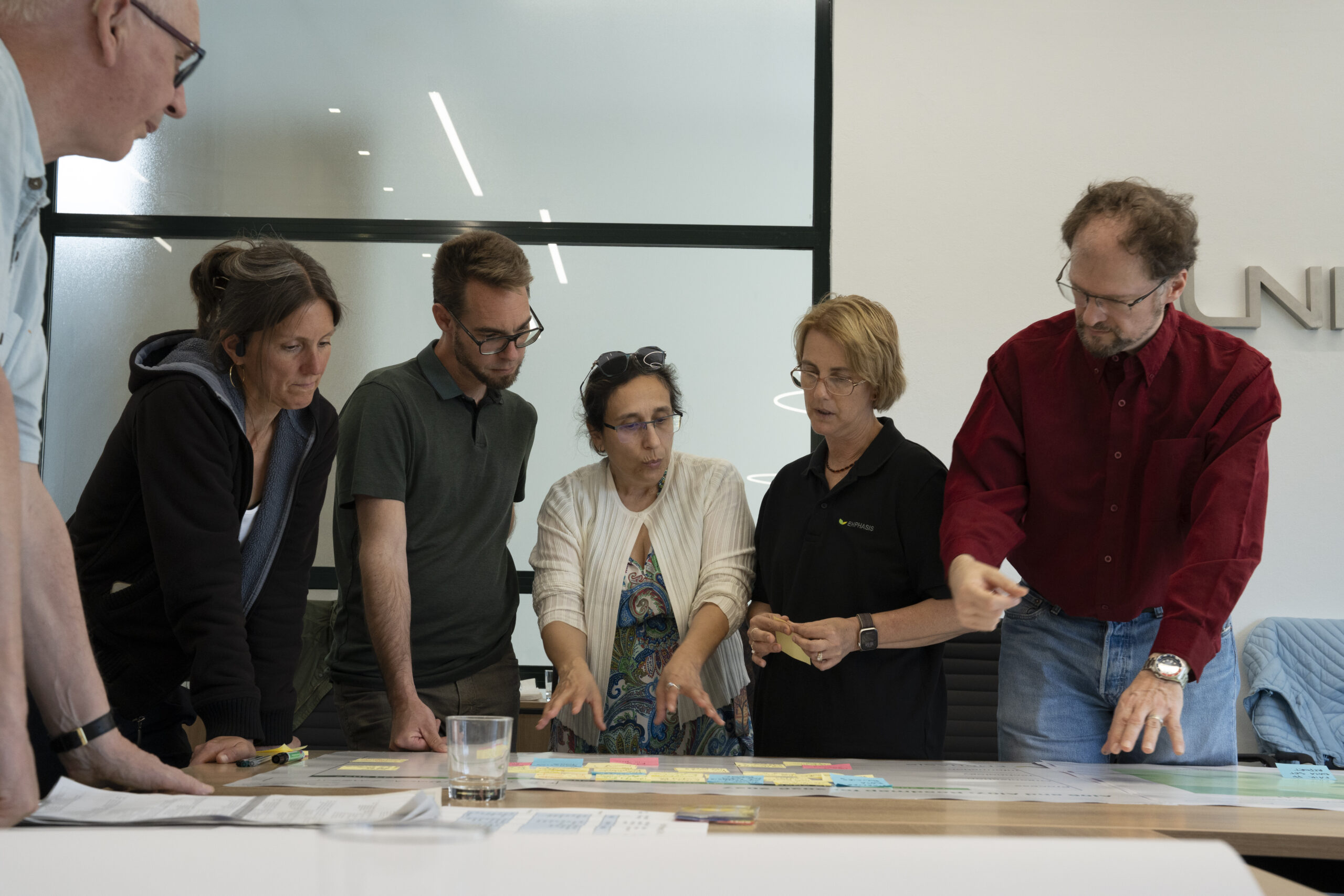
EMPHASIS Spring Gathering 2026: Shaping the Future Scientific Strategy of EMPHASIS
At the end of April 2026, the EMPHASIS Scientific Representatives came together for the EMPHASIS Spring 2026 Gathering, a two-day intensive workshop dedicated to discussing and refining the future scientific strategy of EMPHASIS. The meeting brought together experts and representatives from across the network to exchange ideas, align priorities, and contribute to the development of a shared long-term vision for the research infrastructure.
Throughout the workshop, participants engaged in in-depth discussions on the strategic direction of EMPHASIS over the next ten years. Key topics included defining the objectives that will guide EMPHASIS during its operational phase, identifying scientific priorities, strengthening collaboration across participating countries, and planning the activities of the Functional Units.
A central focus of the meeting was ensuring that the scientific strategy reflects both current challenges and future opportunities within the plant phenotyping and agri-food research landscape. Participants explored how EMPHASIS can continue to support cutting-edge research, innovation, and international collaboration in the years to come.
The workshop highlighted the strength of the EMPHASIS network and the value of collaborative strategic planning. The contributions, insights, and engagement of all participants played a key role in making the event a success.
EMPHASIS would like to thank all contributors for their active participation and commitment during these two inspiring and productive days. The outcomes of the Spring Gathering will provide an important foundation for the next phase of EMPHASIS and its continued growth as a leading European research infrastructure.

New MSCA staff exchange PHENOVOL to advance VOC phenotyping across Europe and beyond
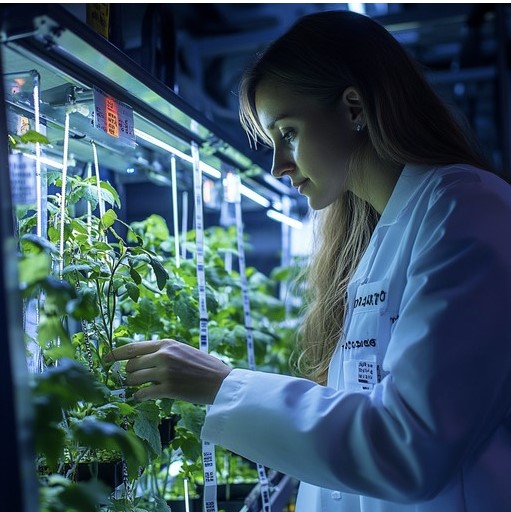
To accelerate the integration of high-resolution phenotyping and genomic insights in plant science, a new Marie Skłodowska-Curie Staff Exchange project — PHENOVOL has been awarded funding. Funded through the Marie Skłodowska-Curie Actions (MSCA), the goal of PHENOVOL is to deepen scientific understanding of plant VOC diversity — the complex blends of plant volatiles, aromatics and essential oils that vary among species and organs and shift in response to environmental stress. Since changes in VOC profiles often occur at early stages of stress exposure, robust and high-throughput VOC phenotyping has huge potential for boosting stress resilience and early signalling in crops. PHENOVOL will see scientists and technical staff across continents collaborate to transform this natural phenotypic complexity into actionable insights for agriculture and plant science.
MSCA Staff Exchanges: Fostering international knowledge transfer
The MSCA Staff Exchanges action funds short-term international and inter-sectoral mobility of research and innovation staff, enabling participating organisations to share knowledge, build lasting collaborations, and strengthen capacities across research ecosystems. Consortia must include at least three partners from three different countries (with a mix of academic and non-academic organisations), and staff mobility is used to exchange expertise, conduct joint research, and organise training and networking events. Importantly, seconded staff return to their home institutions to disseminate knowledge and reinforce cross-institutional linkages.
Through this scheme, PHENOVOL will promote exchanges between academic and industrial partners, enhancing both scientific skills and practical know-how in VOC phenotyping technologies.
A broad consortium driving VOC phenotyping innovation
Co-ordinated by Italy’s CNR (National Research Council), the PHENOVOL consortium spans Europe, South America and beyond, linking leading research institutions with industrial stakeholders. Participating institutions include:
• NOVA University Lisbon (Portugal)
• University of Helsinki (Finland)
• Bulgarian Academy of Sciences (Bulgaria)
• CONICET (Argentina)
• Trakya University (Turkey)
Industrial partners from Italy, Argentina and Turkey will contribute practical perspectives and technological expertise, ensuring results are relevant for both academic discovery and real-world application.
Empowering the next generation of phenotyping scientists
Beyond its scientific mission, PHENOVOL will deliver targeted training activities designed to equip early- and mid-career researchers with state-of-the-art skills in VOC analysis and the interpretation of multidimensional phenomic data. By embedding mobility and hands-on exchange within the project, PHENOVOL also supports professional development and cross-sectoral career pathways — a core objective of the MSCA Staff Exchanges programme.
Strengthening the European phenotyping community
PHENOVOL contributes directly to the strategic goals of the EMPHASIS infrastructure by advancing phenotyping methodologies and fostering cohesive links between laboratories and industrial users across the globe. Its emphasis on VOC profiling expands the phenotyping toolkit available to plant scientists and helps bridge phenotypic complexity with genomic insights — a key challenge for tomorrow’s sustainable agriculture.

ESFRI Landmark submission- 2026 roadmap
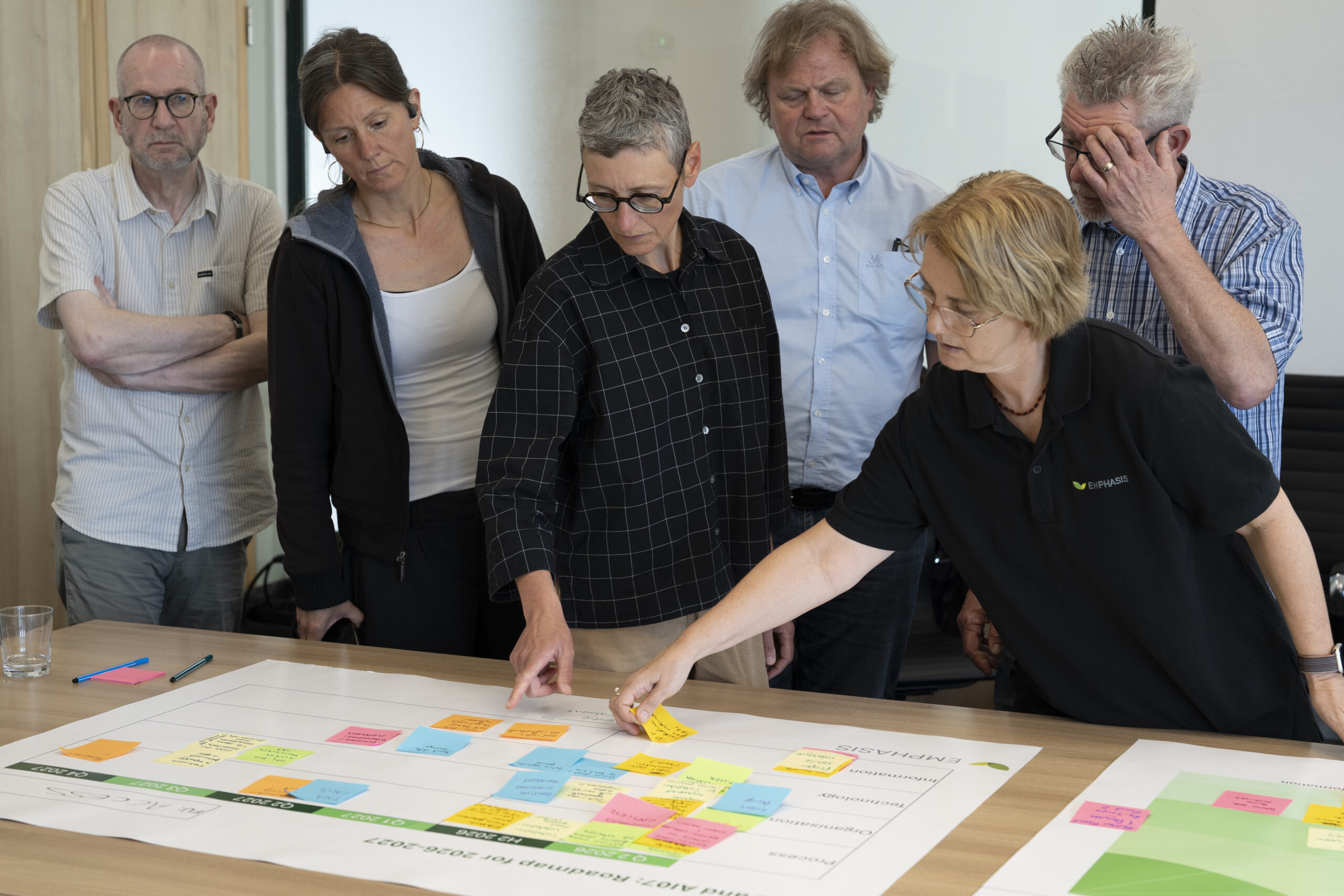
The EMPHASIS Coordination Office is very excited to share that our proposal for ‘Landmark’ status in the ESFRI Research Infrastructure framework has been submitted. This is an important milestone for EMPHASIS and highlights the strong commitment of the consortium of countries involved to strengthen plant phenotyping across Europe.
Preparing the application was a real team effort, documenting evidence from across the EMPHASIS community about the scale of investment made to date, the political support for EMPHASIS that exists across Europe, the maturity of our operations and the impact achieved so far, as well as our plans for the future.
The Coordination Office would like to thank all partners, experts and colleagues who shared data, insights and supporting materials, and who worked hard to help us meet the rigorous ESFRI requirements and timelines.
We now eagerly await the next steps in the ESFRI evaluation process, and will keep the community updated as things progress.
Dr Susie Robinson and Inês Pinho in the Coordination Office celebrate pressing the 'submit' button!
The Crete Declaration: Uniting Science for One Health
Click the link to read the article in full:
At the recent Biodiversity and Ecosystem eScience (BEES) Conference in Crete (30 June – 2 July 2025), Europe’s leading Research Infrastructures, e-Infrastructures, and collaborative projects united to advance coordinated action on today’s most pressing environmental and health challenges.
From antimicrobial resistance and emerging infectious diseases to biodiversity loss and ecosystem degradation, these interconnected threats are intensifying under the strain of human activity and climate change (Keesing et al. 2010).
The One Health approach—recognizing the deep interdependence between human, animal, plant, and ecosystem health (OHHLEP 2022)—was a central theme. It calls for integrated science, technology, and innovation to drive conservation, biosphere restoration, and long-term resilience.
Participants committed to enhancing interoperability across digital and physical infrastructures, ensuring equitable access to data, software, standards, and experimental platforms. By aligning resources across Europe and expanding global partnerships, they aim to deliver cross-domain, actionable science with real-world impact.
The community also urged funders to increase long-term investment in research and innovation to support One Health. Meeting the challenges ahead will require sustained commitment, shared responsibility, and strategic vision.
New publication outlines global vision for plant phenotyping collaboration
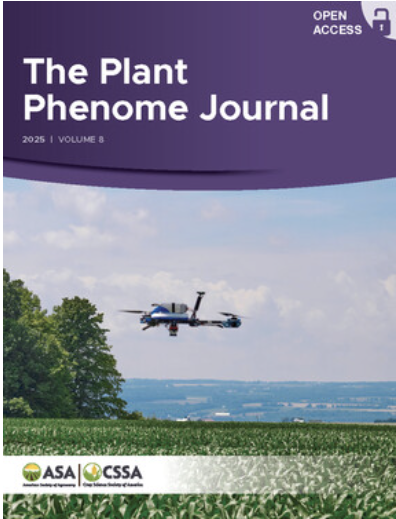
We are delighted to share a new commentary published in The Plant Phenome Journal (Vol 8, No 1, 2025)— “The future role of regional research infrastructures and networks toward the global plant phenotyping community” (DOI: 10.1002/ppj2.70048). The article is co-authored by Dr Susie Robinson, incoming Interim Director General of EMPHASIS, Dr Stijn Dhondt, outgoing Interim Director, and other leaders of major regional and international phenotyping organisations.
The paper brings together perspectives from global research infrastructures to explore how the plant phenotyping community can move beyond regional initiatives to a truly connected global collaborative space. It highlights how established infrastructures — including EMPHASIS (Europe), APPN (Australia), NAPPN (North America), and IPPN (international) — already deliver vital services in access, expertise, and training, yet face challenges aligning strategies, data, and resources globally.
The authors propose further developing shared frameworks for data standards, researcher mobility, training, and governance, enabling regional networks to work more seamlessly together. This vision aims to enhance collaboration, increase visibility for phenotyping science, and strengthen its role in addressing global challenges such as climate change and food security.
For EMPHASIS, this publication reinforces our commitment to fostering collaboration across borders and advancing plant phenotyping as a cornerstone of sustainable, data-driven agriculture. We look forward to working with partners worldwide to help realise the vision it outlines. Read the full article here: http://dx.doi.org/10.1002/ppj2.70048
EMPHASIS Welcomes Dr Susie Robinson as Interim Director General, Effective January 2026
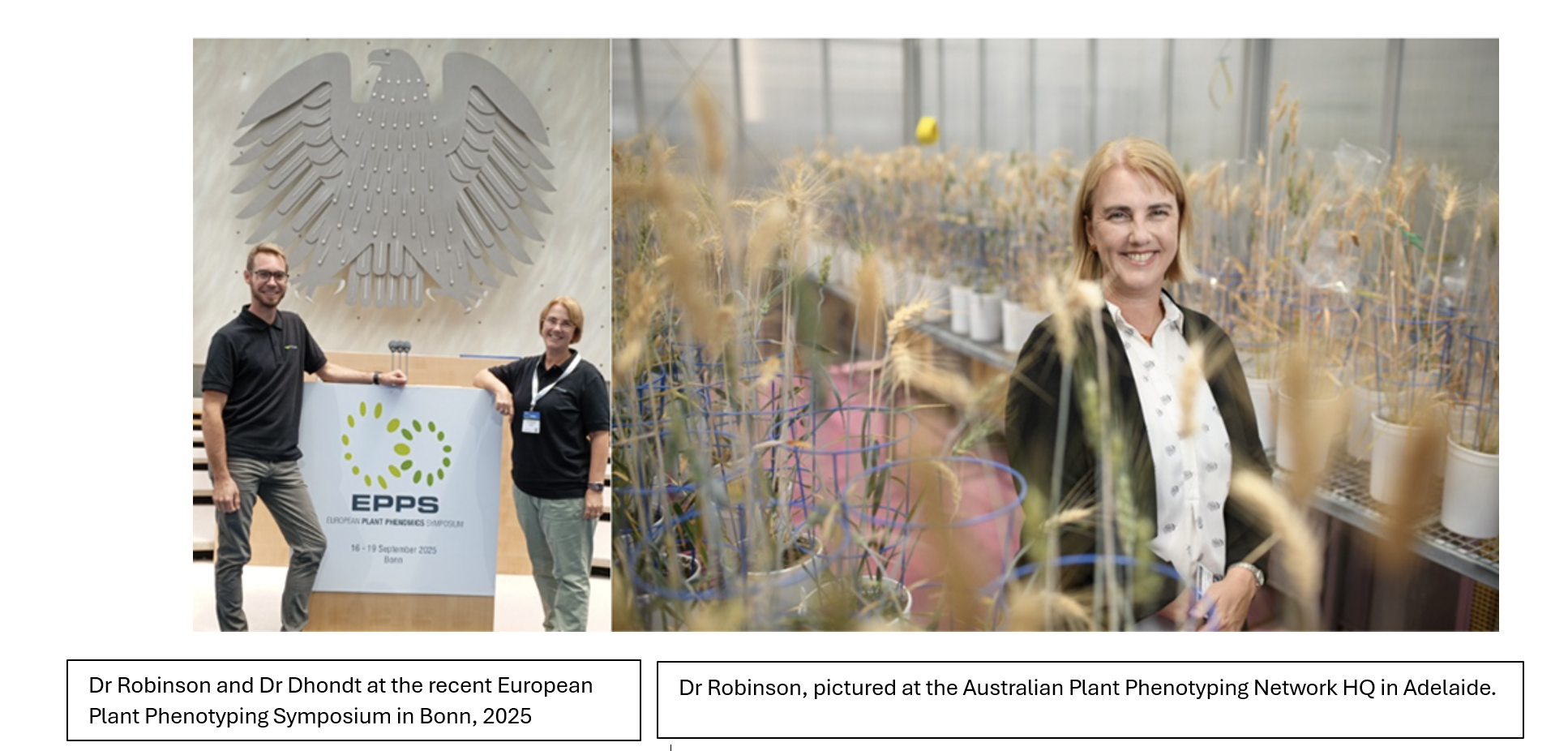
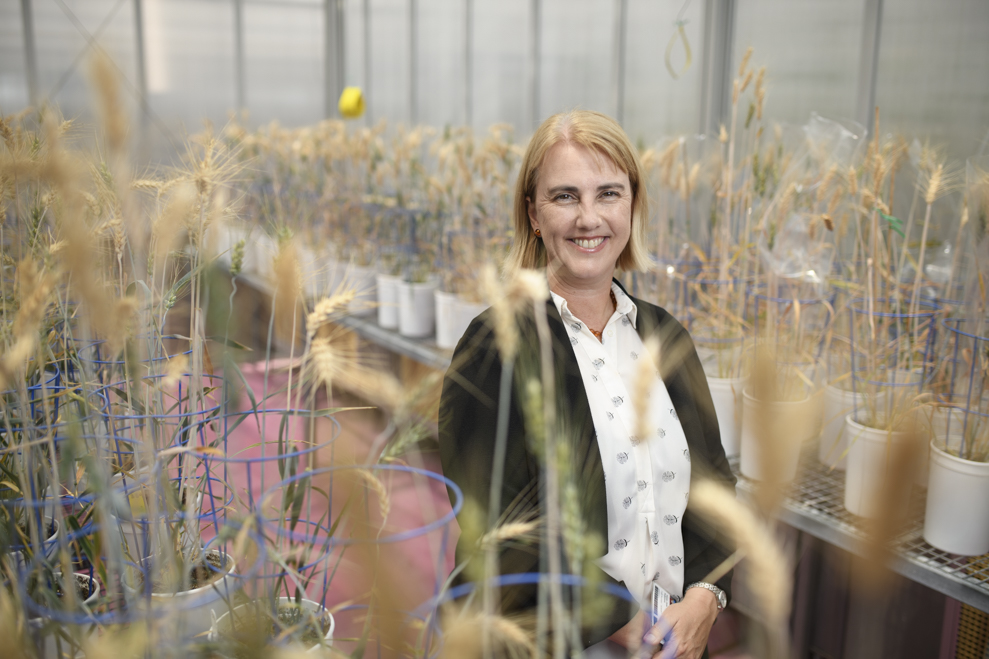
We’re delighted to share that Dr Susie Robinson will be joining EMPHASIS as the Interim Director General, effective January 2026. Dr Robinson was appointed after an international recruitment process overseen by the Interim General Assembly of EMPHASIS. Her appointment will be at VIB in Belgium, where EMPHASIS is headquartered.
Susie Robinson brings highly relevant prior experience at a senior executive level, including having previously led the Australian Plant Phenomics Network, along with other prior roles spanning research, consultancy, government and corporate governance in Australia and the UK. She has already provided invaluable service as an expert consultant to EMPHASIS during 2025, meaning she is well known to the European plant phenotyping community. Dr Robinson notes, “I am hugely excited to be stepping into this role at such an exciting time for EMPHASIS. Plant phenotyping is increasingly recognised as critical for safeguarding Europe’s future in agriculture and the plant-based bio-economy. We have an outstanding consortium of countries that are deeply committed to this future, and it is a privilege to lead EMPHASIS in playing its part.”
Dr Silvana Moscatelli, the Interim General Assembly Chair, states: “We are delighted to be officially welcoming Susie as EMPHASIS Interim Director General. She brings a unique blend of skills and experience, offering valuable insights into country priorities, scientific infrastructure needs, and effective operating models. Her appointment strengthens EMPHASIS and its path towards a fully operational European Research Infrastructure Consortium (ERIC) in 2026 and beyond”
The EMPHASIS team also wish to extend heartfelt thanks to Dr Stijn Dhondt, who has ably led EMPHASIS since its headquarters were established in Belgium in 2023. Stijn’s outstanding work and dedication have been truly invaluable.